Redefining WWF Portugal’s digital epicenter

World Wide Fund for Nature (WWF) Portugal entrusted SOLOS with the development of its new website. The project began in the last quarter of 2024 and was concluded in October 2025, with the launch of the platform.
The first phase of the project consisted of an in-depth analysis of the brand’s digital presence.
This work included studying the evolution of the brand in online searches over recent years, identifying the universe of searches associated with WWF Portugal, analyzing the density and trends of searches in Portugal and examining the main demographic data of the NGO’s several online communities. We also analyzed how users interacted with the previous website and their content consumption patterns, identifying opportunities and areas for improvement in the new website.
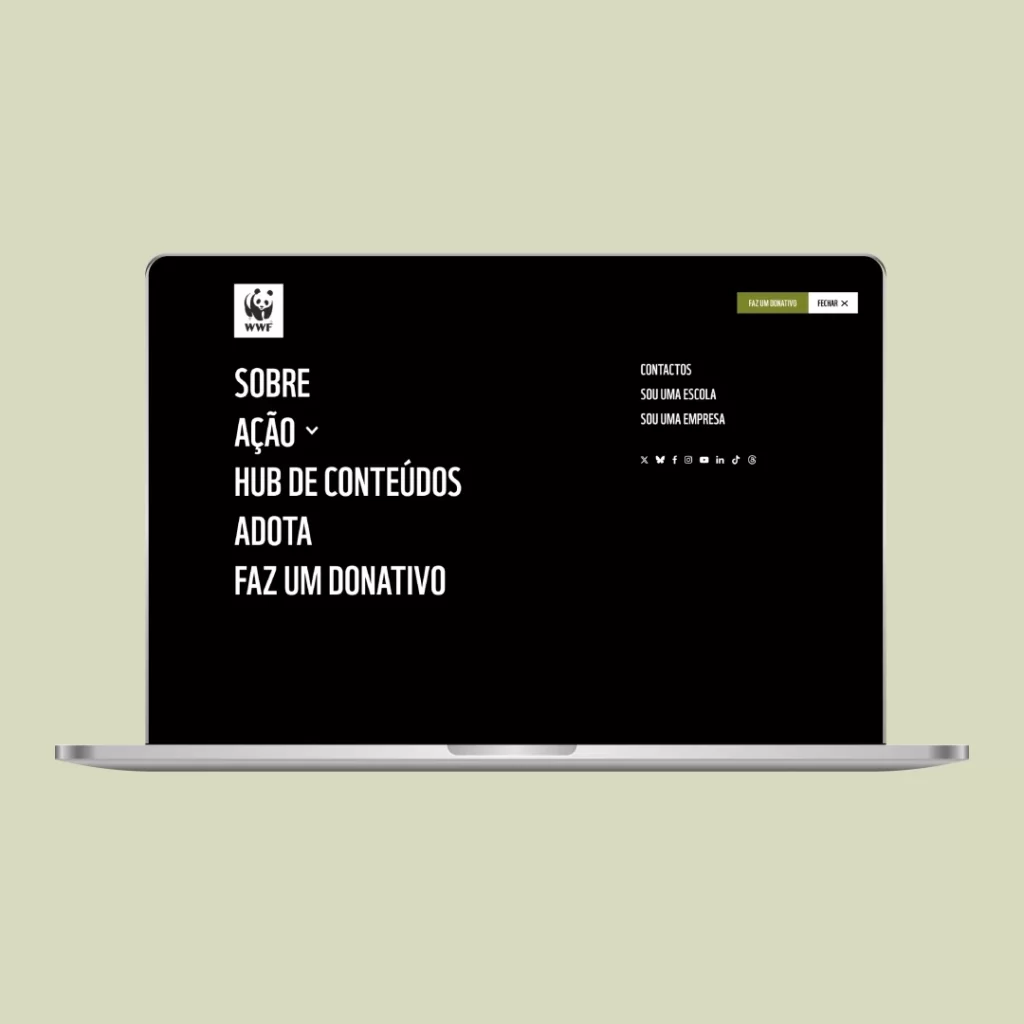
In the second phase of the project, we developed the navigation concept and the information architecture for the new website.
In this process, we ensured the integration of the key insights gathered during the analysis phase, a solid evolution of the brand’s positioning (consolidating the transition from ANF | WWF to WWF Portugal) and a navigation structure aligned with best practices identified in national and international benchmarks within the sector.
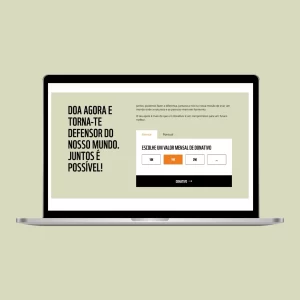
One of the most relevant aspects of this project was the unification of the user experience between informational content and donations, allowing users to navigate naturally between information, engagement and financial contribution.
Today, this approach is considered a reference at the international level among the various WWF representations.
The information architecture work was later finalized through the development of wireframes, which allowed the WWF Portugal teams to clearly visualize the organization and hierarchy of content blocks across the main templates of the future website.
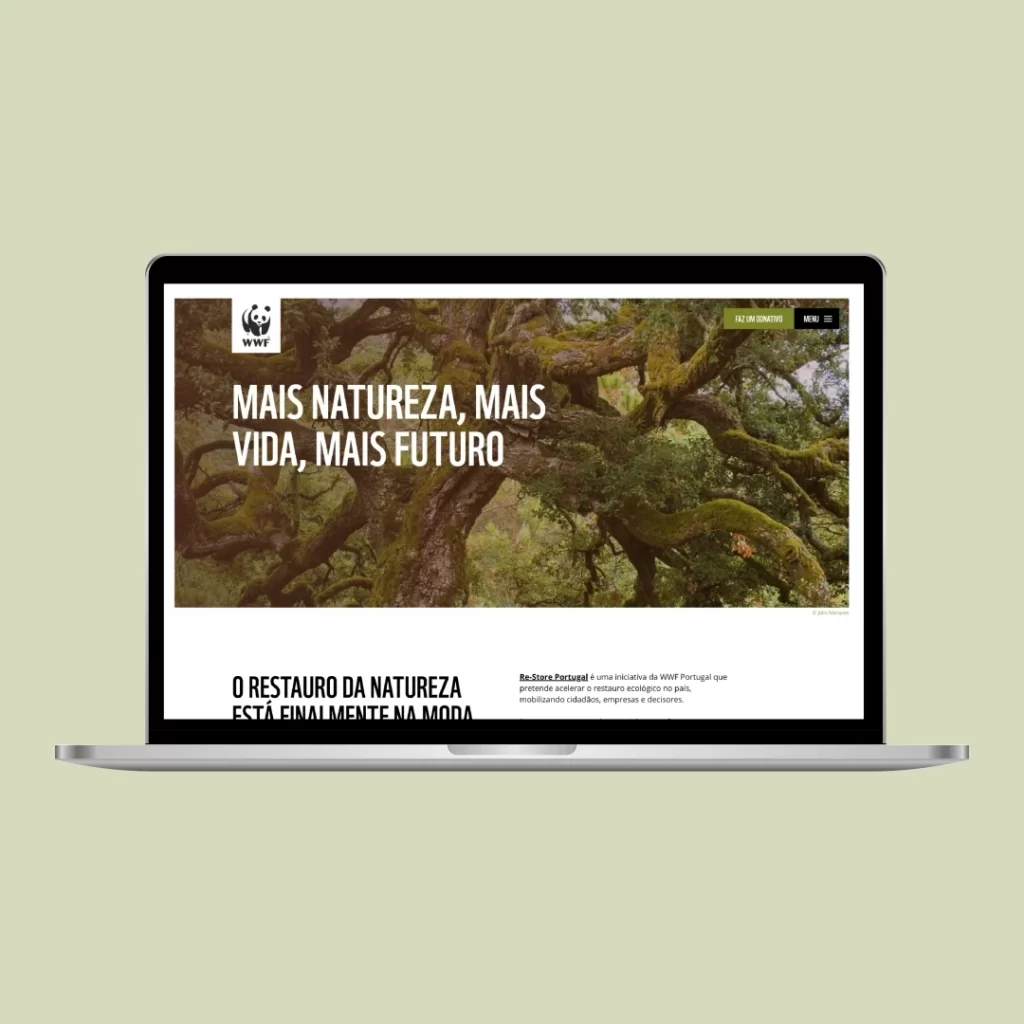
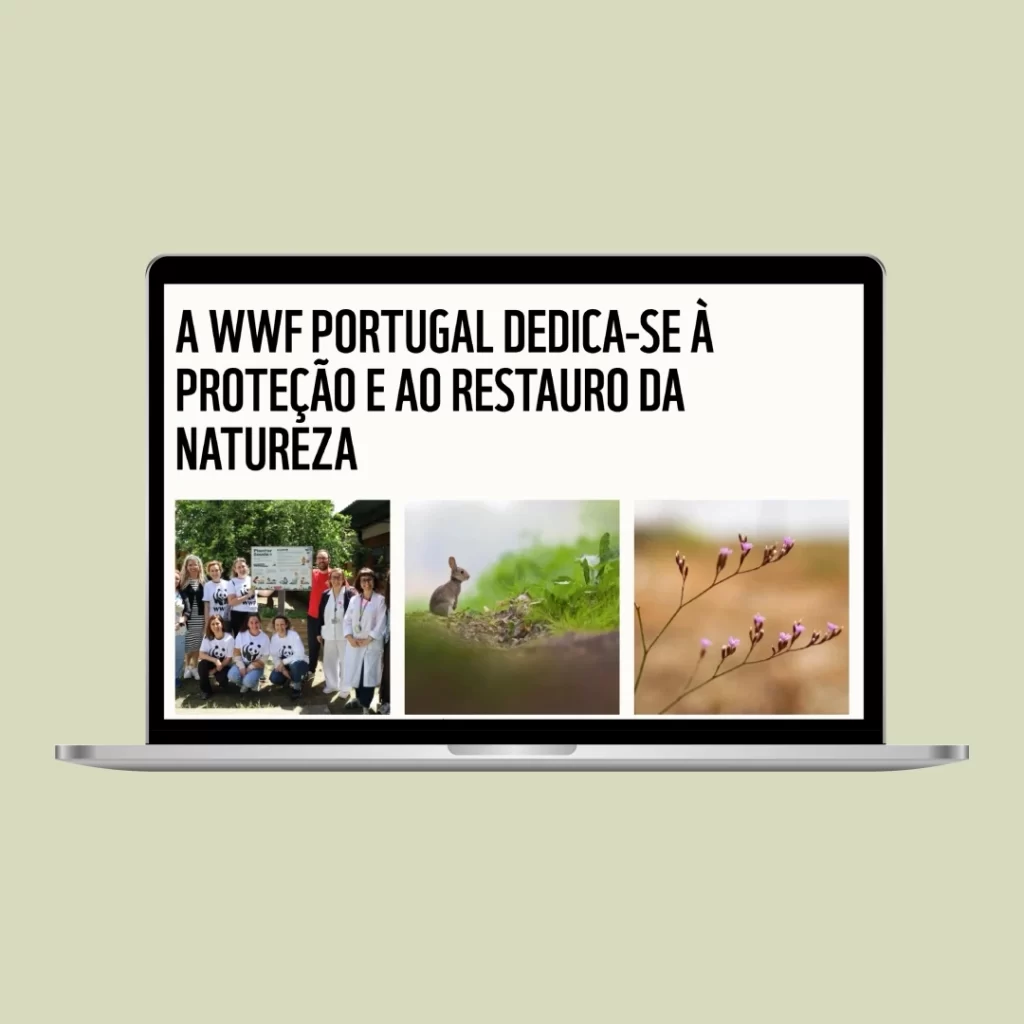
The design phase culminated in the presentation of the complete set of layouts through a dynamic and animated prototype developed in Sketch, in which all the pages and their respective motion and navigation interactions were demonstrated. Throughout this process, we ensured the rigorous integration of the international graphic standards of the WWF, with a direct impact on the application of the color palette, typography, use of the logo and the management of multimedia files.
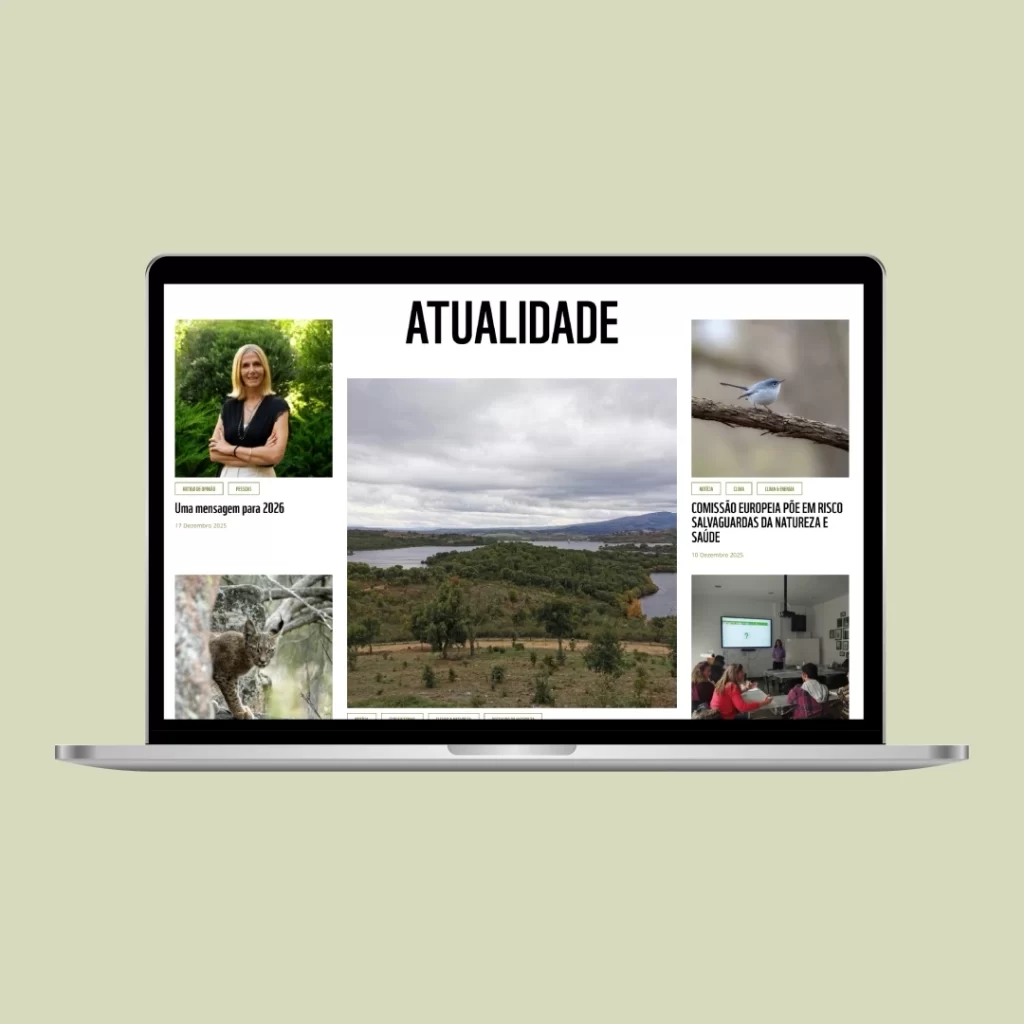
Following the development and programming phase of the website, implemented in WordPress, and the complete migration of content, the new digital hub of WWF Portugal now offers clearer, more organized navigation focused on the organization’s main areas of activity.
The new website also ensures an optimized experience both on desktop and on mobile devices, which currently represent the main source of visits to the platform.